- International Education
- Student Wellbeing
- ·
-
Jun 08, 2026
The Hidden Emotional Cost of Studying Abroad Nobody Talks About
Beyond the dream and the social media highlights lies a side of studying abroad few discuss — homesickness, loneliness, culture shock, and emotional exhaustion.
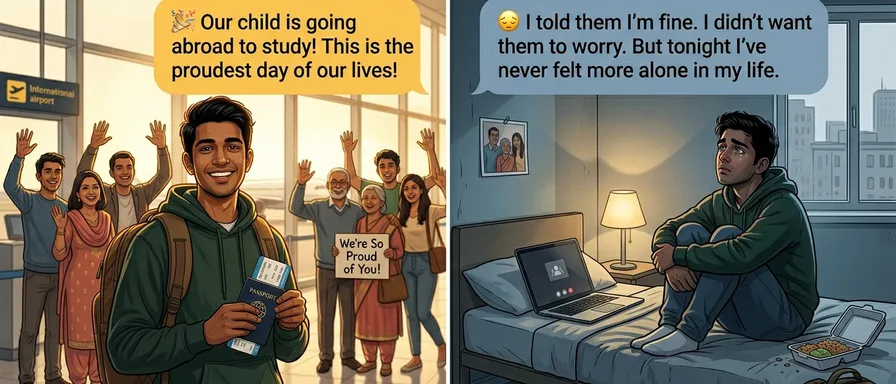
Studying abroad is an opportunity for many students. It is an opportunity to experience freedom, a way of living, and preparation for a successful future. The excitement of studying begins with getting your acceptance letter, applying for a student visa, booking your flight, and dreaming about living in a new country — making it a special occasion for all involved.
The excitement of receiving an acceptance letter is celebrated by families and friends congratulating each other. There are social media pictures of airports, on-campus living, and new beginnings.
However, as students are excited about all of the positives of studying abroad, there is usually a major downside that few students are prepared for. Although many people talk about university rankings, the availability of jobs and scholarships, and how to go from one country to another, few people discuss the stress that an individual may experience when they are studying abroad.
Studying abroad can be one of the best experiences in your life, and it can also be one of the most overwhelming.
Many international students experience homesickness, loneliness, culture shock, self-doubt, and emotional exhaustion along the way. Studies and student accounts confirm that moving from home to study abroad is a change for many international students that will affect a student's mental health, social confidence, and academic ability.
Homesickness, difficulties in adjusting to the culture, financial burdens associated with studying abroad, and isolation from family and friends are among the things many international students face while they are studying abroad.
This is the side of studying abroad that should be addressed more often — the other side that people do not usually talk about: the challenges of studying abroad.
Why Do Students Feel Emotionally Overwhelmed After Moving Abroad?
The Reality Doesn't Always Match the Expectation
Most students spend months or even years dreaming about their international education journey. They imagine exciting adventures, new friendships, and a better future.
However, the first few weeks abroad often look very different. Suddenly, everything is unfamiliar. The food tastes different. The weather feels strange. Public transport works differently. Even simple tasks like opening a bank account, grocery shopping, or visiting a doctor can feel stressful.
At the same time, students are expected to adapt quickly and perform academically.
This gap between expectations and reality can create emotional pressure. Many students begin questioning themselves:
- Did I make the right decision?
- Why am I not enjoying this as much as I expected?
- Why does everyone else seem happier than me?
These thoughts are more common than most people realize.
Homesickness Is More Powerful Than People Think
Missing Home Is About More Than Missing a Place. One of the biggest emotional challenges international students face is homesickness.
Most people assume homesickness means missing family members. While that is certainly true, it goes much deeper than that. Students often miss:
- Family dinners
- Familiar languages
- Local food
- Festivals and celebrations
- Childhood friends
- Everyday routines
- The feeling of belonging
The difficult part is that homesickness often appears unexpectedly. A student might feel perfectly fine for weeks and suddenly become emotional after seeing a family photo, celebrating a festival alone, or hearing their native language in public.
Many international students describe homesickness as a feeling that comes in waves. Some days feel exciting and productive, while other days feel lonely and emotionally draining. Research on international students has repeatedly highlighted homesickness as a major contributor to stress and emotional discomfort during adjustment periods.
The Loneliness Nobody Warns You About
Being Surrounded by People Doesn't Mean You Feel Connected.
One of the mistakes people make about studying abroad is thinking that you make friends right away. It actually takes time to make friends who really matter. Students are often on a campus with lots of people, yet still feel super lonely. The friends they had before took years to make. Now they have to start over from scratch.
Different cultures, languages, ways of talking, and being nervous around people can make it hard to meet others. Many students feel like they don't fit in, even when they're in class every day. Many students feel lonely and isolated.
The toughest times are when it's quiet:
- Going back to an empty room after class
- Spending weekends by yourself
- Having a birthday without family
- Seeing loved ones get together without you
These times can make you feel tired emotionally. Not many people talk about it.
Culture Shock Is More Than Just Adjusting to a New Country
Sometimes You Feel Like You Don't Belong Anywhere.
Culture shock is when you have to get used to customs, traditions, and ways of living. It can be really tough on you emotionally.
You have to deal with things like what's expected of you in a classroom, how people talk to each other, and what they think is funny. You also have to understand what is considered polite behavior and how people act at work. Even little things you do every day can be really draining because you have to adjust all the time.
Studies about students always show that culture shock is a big emotional and mental challenge. After a while, some students start to feel like they are stuck between two worlds. They do not feel the same as they did when they were at home. They also do not feel like they completely fit in with their new country.
Culture shock is a part of this and it can be hard to put into words and explain to other people. It is a thing to go through and it can be confusing. Students going through culture shock have to deal with a lot of changes, and it takes time to figure things out.
The Pressure to Succeed Can Become Emotionally Exhausting
When Failure Feels Too Expensive.
Studying abroad is a big financial commitment for many international students. Parents may have dipped into savings. Students might have taken an education loan. In a family setting, the result is often a highly anticipated one.
And because of that, sometimes students feel tremendous pressure to succeed. They might think they can't afford to make mistakes.
This pressure often shows up as:
- Anxiety about grades
- Fear of disappointing family
- Stress about future employment
- Constant comparison with other students
- Worry about visa requirements
As time passes, this emotional burden may grow to the point of being unbearable. Research has shown that academic pressure, financial worries, and anxiety about the future are major causes of stress for international students.
What Most Students Learn Through the Struggle
Growth Often Comes From the Hardest Moments.
The difficulties involved in studying abroad can feel overwhelming at times; however, most students eventually understand the importance of those emotional difficulties and what they teach them about real-life situations.
Specifically, students learn to:
- Be independent
- Be confident in problem-solving
- Adapt to change
- Be resilient
- Manage uncertainty
- Find and create new opportunities for themselves
In addition to these skills, an experience studying abroad will ultimately compel students to recognize qualities or capabilities within themselves which they were previously unaware of.
As students reflect after graduation, many will agree their experience facing emotional hurdles was equally as valuable to them as all their academic accomplishments. While undergoing the experience, students' personalities will change; this includes both professional and personal changes in themselves.
How Students Can Protect Their Emotional Well-Being Abroad
Practical Ways to Stay Emotionally Strong.
The emotional cost of studying abroad cannot be eliminated completely, but it can be managed in healthy ways.
Stay Connected Without Living in the Past. Regular calls with family and friends provide comfort and support. However, it is equally important to build a life in the present rather than constantly wishing to be back home.
Build a Support Network Early. Join student clubs, university communities, cultural groups, and networking events. Genuine friendships often begin through shared experiences.
Accept That Adjustment Takes Time. Feeling uncomfortable in a new country does not mean you made the wrong decision. Adaptation is a process, not an overnight transformation.
Prioritize Mental Health. Many universities provide counseling and student support services. Seeking help is a sign of self-awareness, not weakness.
Celebrate Small Wins. Every achievement matters — whether it is completing your first semester, making a new friend, finding a part-time job, or simply navigating a challenging day successfully.
Final Thoughts: The Journey Is Beautiful, But It Is Not Always Easy
Studying abroad is a dream come true for many students. It's an opportunity to get a world-class education, find global job opportunities, be exposed to different cultures, and grow as a person.
However, dreams come with challenges. Thousands of students experience the emotional toll of homesickness, loneliness, culture shock, and pressure while studying internationally every year.
There's one thing that is important to remember: just because you are struggling does not mean that you are failing! Some of the most well-adjusted, confident, and successful graduates of international programs are the ones who faced these emotional challenges and figured out how to develop through them.
At Pine Overseas, we believe students deserve honest guidance, not only regarding admissions and visas, but also regarding the real-world experience of studying abroad. By understanding the emotional side of studying abroad, students can prepare better for the journey, adapt quicker, and ultimately succeed in living a fulfilling life abroad.
Studying abroad is not just about moving to another country; it is about discovering yourself along the way.
Start Your Global Education Journey Today
Let Pine Overseas guide you to world-class universities across the globe. Book your free counseling session and turn your dream of international education into reality.